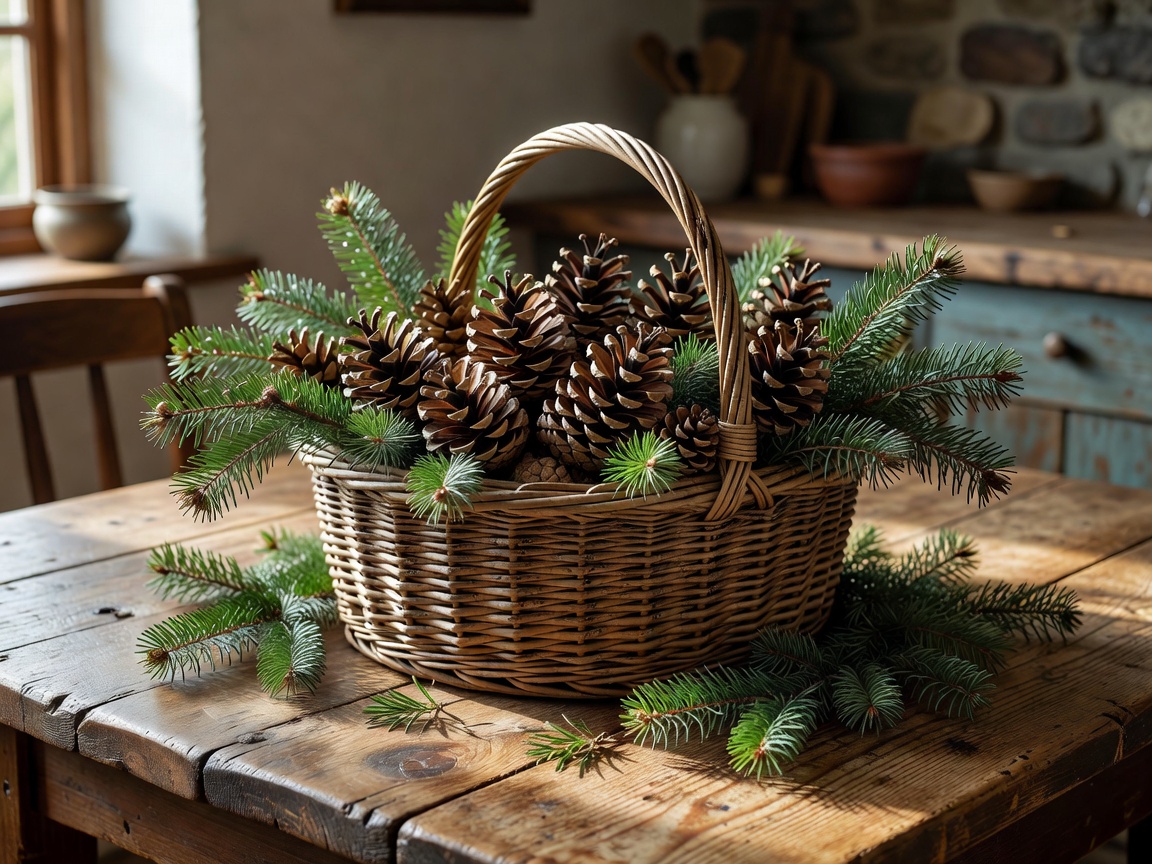
Traditions that grew from the garden
Bringing greenery indoors in midwinter is far older than the Christmas tree. Evergreen boughs symbolised life continuing through the dark months, and the habit carried into Christian celebration. The Advent wreath as many people know it began in 1839, when the Lutheran pastor Johann Hinrich Wichern in Hamburg hung a cartwheel with candles to count the days for the children in his care; later versions were made of fir.
Scandinavia offers its own natural crafts. Finnish himmeli are geometric mobiles of threaded straw, and the Swedish julbock, the Yule goat, is bound from straw and red ribbon; the giant Gävle goat is its most famous descendant. In Tudor England, clove-studded oranges called pomanders scented rooms, a practice that settled into Victorian Christmas customs. Dried citrus, cones and seed heads speak the same quiet language today.
Keep the palette tight: deep green, burnt orange, bark brown and one ribbon colour. A long table runner of foliage looks generous with very little material when items repeat at even intervals.
Gathering responsibly
Take clippings from your own garden, ask neighbours who are pruning, or check whether a local tree surgeon or allotment has offcuts. In the countryside, follow your local access code, such as the Countryside Code in England and Wales: never uproot plants, take only a small amount from abundant growth, and do not cut from protected sites or private land without permission. Fallen cones and windblown twigs are the gentlest finds of all.
Supermarket oranges, satsumas and the odd lemon or grapefruit are perfect for drying, especially slightly firm ones from the bottom of the fruit bowl. Whole cloves, cinnamon sticks and star anise from the spice rack finish the look.
Project: a dried orange garland
Usable instructionsSupplies
- 4–5 oranges, a serrated knife and a chopping board (adult step)
- Clean tea towel, baking trays and baking paper
- Jute twine or cotton string, about 2 metres
- A darning needle, plus cinnamon sticks or small cones for spacers
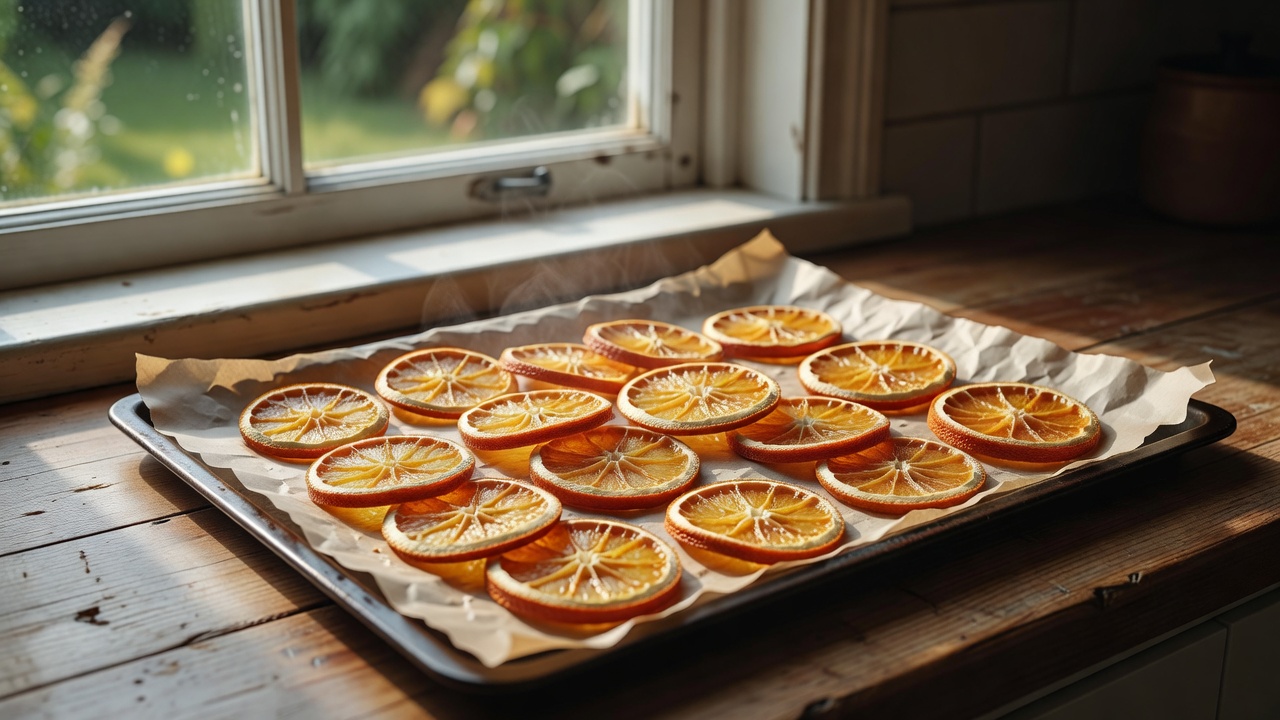
- Slice the oranges into rounds about 5 mm thick. Even thickness matters more than perfection; an adult should do this with a steady board.
- Press each slice firmly between a folded tea towel to remove surface juice. This shortens drying time noticeably.
- Lay slices in a single layer on baking paper. Dry in the oven at around 100°C (fan 80°C) for 2½ to 3 hours, turning every 45 minutes.
- Switch off the oven and let slices cool inside. They should feel leathery and dry with no sticky patches; leave them on a rack overnight if unsure.
- Thread the needle with twine and pierce each slice just inside the rind, about a third of the way down, so it hangs forward.
- Alternate slices with cinnamon sticks tied on with a half hitch or small cones wired at the base.
- Leave 30 cm of plain twine at each end for tying, and hang away from radiators and direct steam.
A simple pomander
Press whole cloves into a firm orange in spirals or rings. A cocktail stick makes starter holes for small hands. Leave a channel around the middle if you want to tie a ribbon. Rest the pomander in a bowl in a cool room; it will shrink and harden over two to three weeks, gently scenting the space.
After Christmas
Dried slices store well for a second year in an airtight tin with a sachet of rice to absorb moisture; discard any with mould spots. Fresh greenery and spent pomanders can go in garden compost, and many councils collect real trees and foliage for shredding. Save twine and spacers for next year in a labelled bag.
Troubleshooting
My orange slices browned in the oven.
The temperature was too high or the slices too thin. Lower the heat, use thicker slices and check them more often towards the end.
The garland smells musty after a week.
Slices were not fully dry. Rehang somewhere airy, or return them to a low oven for 30 minutes.
Greenery is dropping needles quickly.
Stand cut stems in water overnight before arranging, and keep displays away from radiators.